


The longer I work in footwear, the more I’ve realized that many of the things people obsess over simply don’t matter as much as the internet would have you believe. One of those things is heel stiffeners in shoes. When you spend 15+ years surrounded by shoes — everything from inexpensive entry-level pairs to elevated RTW and even bespoke — you eventually learn to separate the myths from the meaningful details.
One topic that receives far more attention than it deserves is the heel stiffener. Online discussions will often make it sound as though this single component determines whether a shoe is “quality” or not, yet that simply hasn’t aligned with what I’ve seen in real-world wear. I’ve handled, owned, worn, made, and compared shoes built with every type of heel stiffener you can imagine, and the truth is far more straightforward than the hype suggests.
So let’s start by understanding what we’re actually talking about.
The Three Types of Heel Stiffeners You’ll Find in Shoes
1. Full Leather
This is the traditional choice in handmade and bespoke shoemaking. It’s shaped by hand, skived by hand, and requires skill and time. You won’t find it often in factory-made shoes because it doesn’t suit mass production. It’s excellent, no question — but rare in the RTW world.
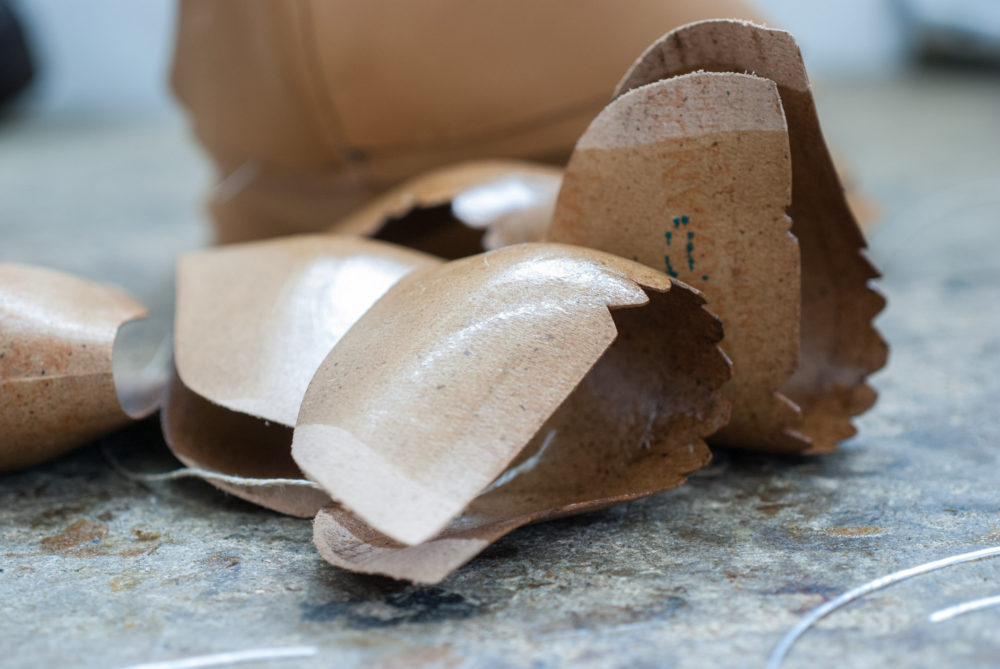
2. Leather Board
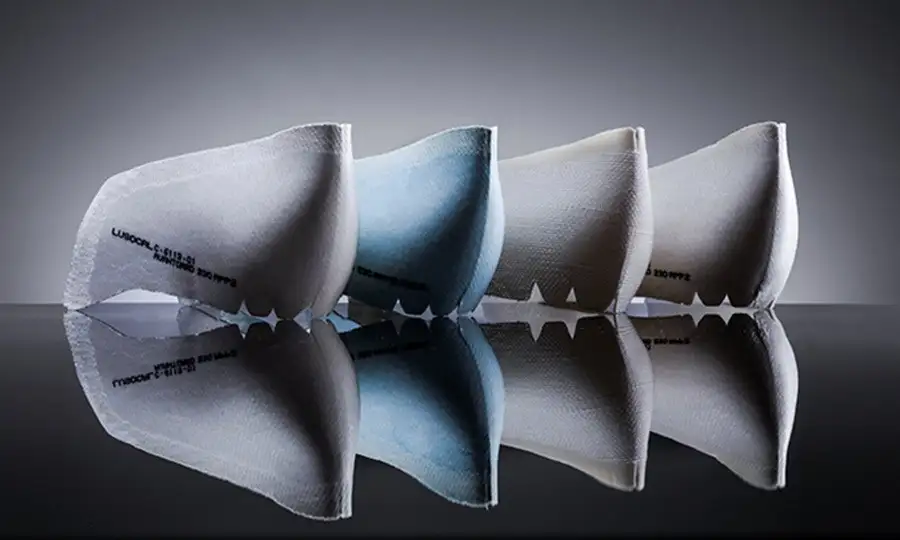
A leather composite that comes pre-shaped and ready for factory use (as the highlight picture shows). It’s designed to mimic the behavior of real leather. This is the material many higher-end RTW makers use, and it’s what many online “experts” point to as the “correct” heel stiffener for a quality shoe when leather is not an option.
3. Celastic (Thermoplastic)
This is the most common stiffener in global production. It’s consistent, reliable, easy to use in a streamlined factory process, and inexpensive to produce. It molds reasonably well once broken in, and for the vast majority of wearers, it functions perfectly fine. Would I prefer this if given a choice? No. But does it make a shoe significantly inferior? No, as well.
Do These Materials Create a Meaningful Difference?
In my experience, not nearly as much as people think.
-All heel stiffeners — whether full leather, leather board, or celastic — start out stiff.
-All of them soften over time.
-All of them mold to your heel to some degree.
If you have particularly sensitive heels or existing foot issues, you may notice differences between materials, especially early on. That’s perfectly fair. But for most people, what determines comfort has far more to do with:
- the last shape
- the heel cup design
- the fit of the shoe
- the lining
- your break-in habits
- the socks you wear
- the pattern/line placements
A rigid celastic stiffener in a well-balanced last will often feel more comfortable than an “ideal” leather board stiffener in a poorly shaped one. This is one of the great truths that gets lost in online debates: materials matter, but not in isolation. Craftsmanship, fit, and balance matter more.
A Story That Perfectly Illustrates the Point
Years ago, when I was hosting trunk shows, my production initially used celastic heel counters. Later, I upgraded to leather board. One regular attendee always insisted he couldn’t wear anything with celastic because it “hurt his heels.”
By the time he came to the next show, we had stock made with leather board. He tried a pair (with the leather board stiffener) and said they felt “good, but a bit stiff” — exactly what a new heel counter should feel like.
Then he tried a sample pair that happened to be from the previous celastic batch. Same size. Same last. Same design. He put it on and immediately said it felt “so comfortable” and “perfect on the heel.” He had no idea it was the celastic version.
It was an excellent reminder of something I’ve seen many times over: our expectations often shape our perceptions more than the materials themselves.
Even so, despite liking the shoes, he still didn’t buy them — which is its own lesson!
So What Actually Matters When Choosing a Shoe?
This is where I want to be very clear.
I’m not saying all stiffeners are identical.
I’m not saying leather isn’t the superior material.
I’m not saying one should ignore construction entirely.
But I am saying this:
Heel stiffener material should not be the deciding factor when buying a ready-made shoe.
For 90% of people, the differences in day-to-day wear are minimal. All stiffeners start firm, all soften, and most will break in just fine. A shoe with celastic is not automatically “low quality,” nor should it be dismissed simply because its heel counter isn’t leather board. And believe me, I am not a seller of celastic heel counters. I gain nothing from this and do not intend to use them in my own production, if I can help it. In fact, I haven’t for about 9 years now. But I don’t like personal biases clouding and affecting the judgments of others when purchasing shoes.
What deserves your attention is:
- How the shoe fits your foot – read more on that here
- Whether the heel grips comfortably
- Whether the last shape suits you
- How balanced the shoe feels under you – read more on that here
- How the lining interacts with your heel
- Overall comfort after a few wears
If the shoe fits beautifully and feels good, the stiffener material becomes a secondary detail — not a determining one.
A Clarification for Anyone Reading Too Quickly
Is full leather the best stiffener?
Yes.
Is leather board better than celastic?
Generally, yes.
Would I personally choose leather or leather board if given the option?
Absolutely. My own shoes use leather board for a reason.
But this post isn’t about comparing entry-level RTW to handmade bespoke.
It’s about challenging the idea that “celastic = poor quality.”
That leap in logic simply doesn’t hold up in practice.
For the majority of wearers, celastic performs perfectly fine once broken in. For the minority who have super sensitive heels, yes — they may benefit from seeking out shoes with leather board or learning specific break-in techniques. But that minority shouldn’t dictate what the majority needs.
The Real Takeaway
When evaluating a shoe, don’t get lost in the weeds. Don’t let online arguments convince you that one internal component outweighs the fundamentals. A great shoe is defined by the harmony of many elements — the last, the fit, the construction, the balance, and the finishing.
Heel stiffeners are just one small part of that equation.
Buy the shoe because:
- it looks good
- it fits well
- it feels comfortable
- and it aligns with your needs
Everything else — especially the heel stiffener debate — is secondary.
If you enjoy these educational posts, make sure to see more below:
https://theshoesnobblog.com/educational/